 English
 简体中文
简体中文  Español
  Português
  русский
  Français
  日本語
日本語  Deutsch
  tiếng Việt
  Italiano
  Nederlands
  ภาษาไทย
  Polski
  한국어
한국어  Svenska
  magyar
  Malay
Malay  বাংলা ভাষার
  Dansk
Dansk  Suomi
Suomi  हिन्दी
  Pilipino
  Türkçe
  Gaeilge
  العربية
  Indonesia
  Norsk
Norsk  تمل
تمل  český
český  ελληνικά
  український
  Javanese
  فارسی
فارسی  தமிழ்
தமிழ்  తెలుగు
  नेपाली
  Burmese
  български
  ລາວ
ລາວ  Latine
  Қазақша
  Euskal
  Azərbaycan
  Slovenský jazyk
  Македонски
  Lietuvos
  Eesti Keel
  Română
  Slovenski
  मराठी
मराठी


How Is N-Methylaniline Transforming Modern Fuel Enhancement Technologies?
The global fuel industry is continuously exploring advanced chemical solutions to improve gasoline performance, optimize refining processes, and meet increasingly strict fuel quality requirements. N-Methylaniline has attracted significant attention as an effective octane-enhancing material because of its ability to support better anti-knock performance and improve combustion efficiency in gasoline applications.
With the development of modern transportation and energy systems, refineries are looking for reliable components that can provide stable fuel quality while maintaining cost efficiency. Innovative fuel additives and specialized chemical materials have become important tools for achieving consistent gasoline performance and supporting the future growth of the refining industry.
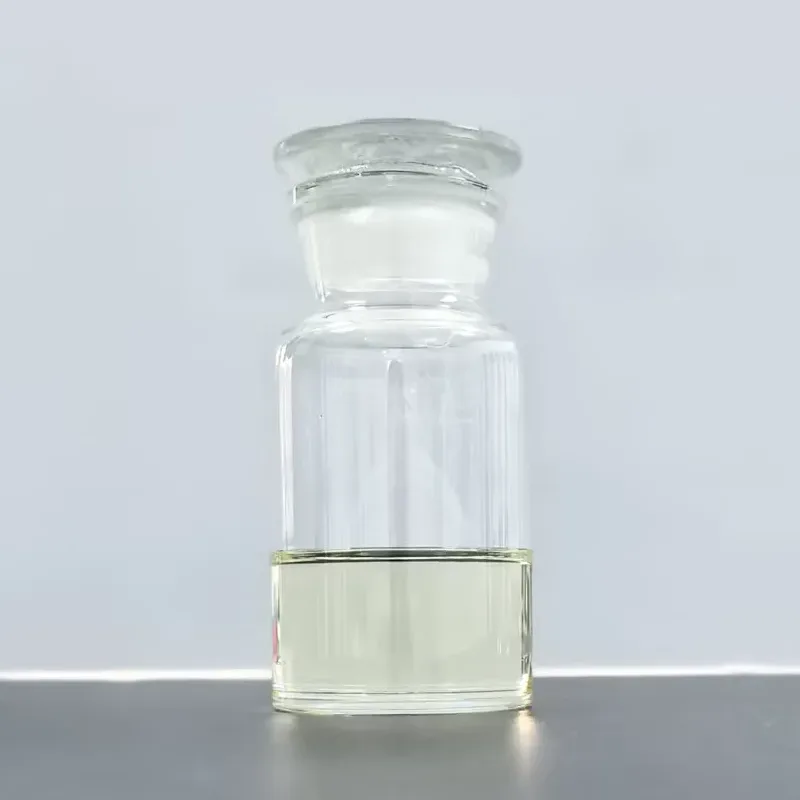
The Changing Landscape of Global Fuel Production
Fuel manufacturers worldwide are facing new challenges as market expectations, environmental considerations, and technical standards continue to evolve. Modern gasoline production requires advanced materials that can improve fuel characteristics while maintaining compatibility with existing refining operations.
The demand for high-performance fuel solutions has encouraged chemical manufacturers to develop more efficient approaches for gasoline formulation. These developments focus on improving combustion control, enhancing engine protection, and creating fuel products with more stable performance under various operating conditions.
Why Fuel Quality Improvement Has Become a Major Industry Focus
Fuel quality directly affects engine operation, energy efficiency, and overall transportation performance. Poor combustion behavior may lead to engine stress, reduced efficiency, and inconsistent driving experiences. As a result, refineries are increasingly adopting specialized chemical solutions to achieve better gasoline characteristics.
Advanced fuel components provide manufacturers with greater flexibility during the blending process. They allow refineries to optimize gasoline properties while maintaining production efficiency and meeting different application requirements across global markets.
| Industry Requirement | Technology Benefit |
|---|---|
| Improved combustion control | Supports smoother engine performance and fuel stability |
| Higher refining efficiency | Helps optimize gasoline formulation processes |
| Reliable material quality | Ensures consistent industrial applications |
| Long-term supply stability | Supports continuous fuel production operations |
How Advanced Chemical Materials Support Fuel Innovation
The progress of the fuel industry depends heavily on chemical innovation. Manufacturers are investing in research and production technologies that create materials with improved functionality, stable characteristics, and strong compatibility with modern refining systems.
Specialized fuel components are designed to address the challenges of gasoline production by improving combustion performance and supporting efficient energy utilization. These materials help refiners maintain competitive advantages while adapting to changing industry demands.
The Importance of Reliable Manufacturing Processes
Consistent manufacturing quality is essential for chemical products used in fuel applications. Professional production systems, strict quality management, and continuous technology improvement ensure that materials can perform effectively in demanding industrial environments.
Experienced manufacturers understand that fuel-related chemicals require precise control throughout production. From raw material management to final inspection, every stage contributes to product reliability and application performance.
The Role of Octane Enhancement in Future Fuel Development
Octane improvement remains a key objective for gasoline producers because it directly influences engine protection and combustion efficiency. As vehicle technologies advance, fuel manufacturers require solutions that can provide dependable performance while supporting modern energy strategies.
N-Methylaniline is widely recognized as a valuable material in gasoline improvement applications due to its contribution to anti-knock performance and fuel quality optimization. Its application provides refineries with an effective option for enhancing gasoline properties and improving overall fuel value.
Beyond immediate performance benefits, advanced octane enhancement materials also support more flexible production strategies. Refineries can better adjust gasoline formulations according to regional requirements, technical standards, and market expectations.
Key Considerations When Choosing Fuel Chemical Suppliers
Selecting a suitable chemical partner requires comprehensive evaluation of production capability, technical expertise, quality management, and supply reliability. Fuel companies need manufacturers that can provide stable materials and understand the complex requirements of the refining sector.
Essential Qualities of a Professional Industry Partner
- Strong experience in fuel chemical manufacturing
- Advanced research and development capabilities
- Reliable quality control procedures
- Professional technical support for industrial applications
- Commitment to continuous product improvement
A dependable supplier should not only provide high-quality materials but also offer strong technical understanding of fuel applications. Long-term cooperation between chemical producers and refineries can promote innovation and improve efficiency throughout the industry chain.
Emerging Trends in Fuel Chemical Applications
The future of fuel technology will continue to focus on efficiency, cleaner combustion, and advanced chemical solutions. As global energy systems transform, refineries will require materials that balance performance improvement with practical production considerations.
Research and development in fuel chemistry will remain an important driver of industry progress. Manufacturers that continue investing in innovation will help create more adaptable solutions for evolving gasoline production needs.
Another important trend is the growing emphasis on supply reliability and production consistency. Global fuel markets require chemical suppliers that can maintain stable operations while responding quickly to changing industrial demands.
Advancing Fuel Performance Through Professional Innovation
The development of modern gasoline depends on collaboration between chemical manufacturers, refineries, and technology providers. Through continuous innovation, the fuel industry can achieve improved performance, stronger efficiency, and more sustainable production methods.
Advanced materials such as N-Methylaniline will continue to play an important role in supporting gasoline quality improvement and refining technology development. Their application demonstrates how chemical innovation can help address current challenges while preparing the fuel industry for future opportunities.
Jiangsu King Road New Materials Co., Ltd. is a professional manufacturer specializing in advanced fuel chemical solutions. With strong expertise in production technology, product innovation, and quality management, the company provides reliable materials for global refining and fuel industries. By focusing on high-performance solutions and stable supply capability, Jiangsu King Road New Materials Co., Ltd. continues to support customers in achieving improved fuel quality and advancing modern gasoline technology.
Previous:No News
Send Inquiry
X
We use cookies to offer you a better browsing experience, analyze site traffic and personalize content. By using this site, you agree to our use of cookies.
Privacy Policy
-
Email
-
Call Us
-
Address
No.1 Weihua Road, Xinbei District, Changzhou City,Jiangsu Province,China
Inquiry For PriceList
For inquiries about our products or pricelist, please leave your email to us and we will be in touch within 24 hours.
Copyright © 2026 Jiangsu King Road New Materials Co.,Ltd. All Rights Reserved.